

A Storm Felled This 1,000-Year-Old Irish Oak. Now It Will Mature One of Ireland’s Rarest Whiskeys

Boann Distillery will finish its historically inspired Preston’s Irish Whiskey in just three casks made from the ancient tree, with a release planned for 2027.
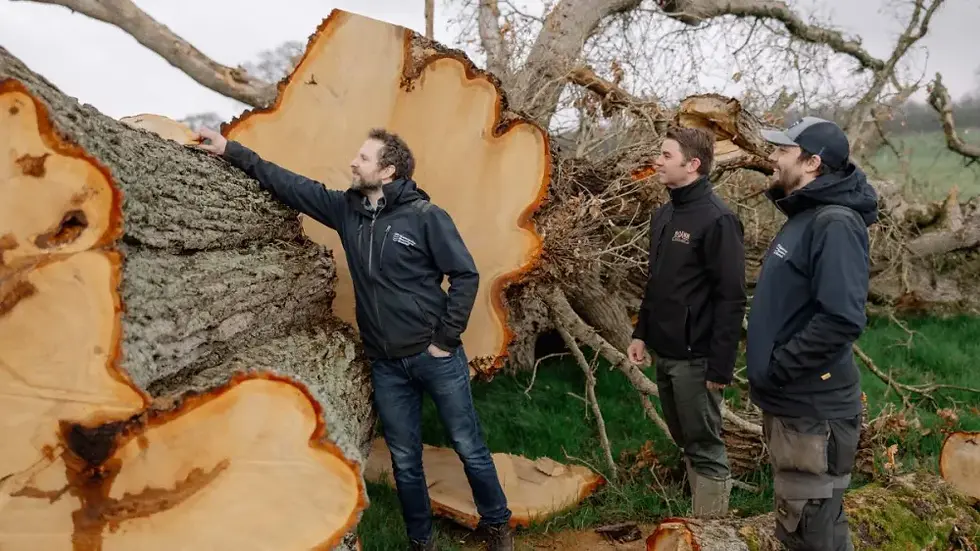
An Irish oak that stood for approximately 1,000 years is beginning an unexpected second life, not in a museum or stately home, but inside a cooperage.
The ancient tree once grew on Preston’s Estate at Swainstown Farm in County Meath, where generations watched it become part of the landscape. When Storm Elin brought it down in December 2023, its fall appeared to mark the end of a millennium-long story. Instead, part of its timber has now been transformed into three exceptionally rare whiskey casks.
The project brings together Drogheda’s Boann Distillery, Swainstown Farm and Kentucky Bourbon Barrel Ireland. Once filled, the new casks will be used for the secondary maturation of a mature whiskey created from Boann’s Preston’s Vintage Mashbill XI. The finished expression is expected to be bottled and released in 2027.
Only three 225-litre barrels have been made, placing an obvious physical limit on how much whiskey the collaboration can produce.
From County Meath to France—and back again
Transforming an oak of this age into vessels capable of maturing whiskey required more than simply cutting its trunk into boards.
A carefully selected section of the fallen tree was transported to the Vosges region of France, an area with a long tradition of preparing oak for wine and spirits. Specialist mills split the timber into staves and cask heads before the wood was left to season naturally outdoors for around two years.
That period exposed the oak to the elements and gradually prepared it for its new role. The seasoned components were then returned to Ireland and taken to Kentucky Bourbon Barrel’s cooperage in Newbridge, County Kildare.
There, Irish coopers examined and shaped the individual pieces before raising the casks, fitting their heads and securing them with metal hoops. The finished barrels were toasted to prepare the oak for its interaction with the spirit.
The collaborators describe them as the first complete Irish oak whiskey casks in more than a century to have been coopered by Irish craftspeople on Irish soil. It is a significant distinction in an industry that overwhelmingly relies on imported barrels, particularly ex-bourbon casks made from American white oak.
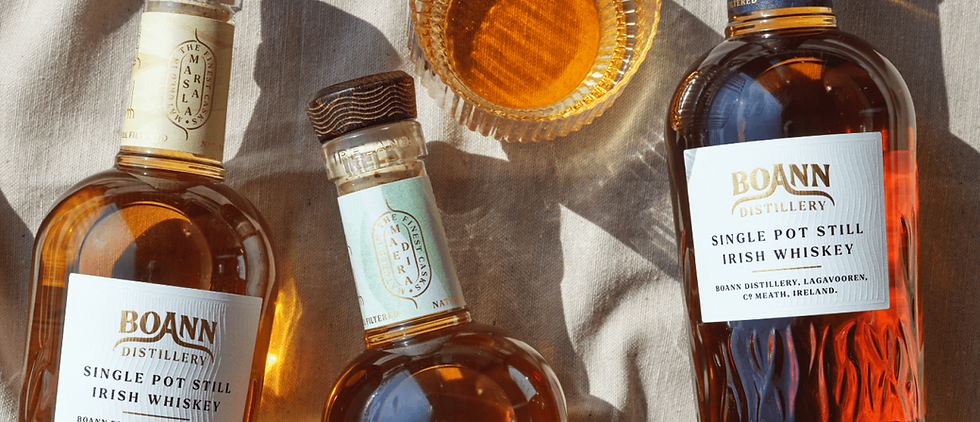
Why Irish oak is so unusual
Barrels used to mature whiskey are far more than storage containers. As the spirit moves in and out of the wood, it extracts flavour, colour and aroma, with the species of oak, its seasoning and its treatment all helping to shape the final profile.
Native Irish oak is rarely used for the task. Supplies are limited, suitable trees are scarce and restrictions protect what remains. A viable cask requires straight, sound timber that can be split into staves without compromising the vessel’s strength or watertight construction.
Oak from a naturally fallen tree of such extraordinary age is rarer still. The precise effect it will have on the whiskey cannot be known until maturation is under way, but its grain, preparation and toast will each influence the exchange between wood and spirit.
Importantly, the ancient tree was not felled for whiskey production. Its use followed its natural loss during the storm, allowing a portion of the timber to continue its story in another form.
Reviving a lost Irish recipe
The liquid destined for the three barrels carries its own connection to the past.
Boann’s Preston’s Vintage Mashbill XI is based on a late-19th-century recipe uncovered through the distillery’s Vintage Mashbill programme. The initiative researches and recreates historic styles of Irish whiskey, including recipes that use grains beyond the familiar combination of malted and unmalted barley.
The Preston name is particularly significant. The family at Swainstown descends from the Prestons of Drogheda, who operated a prominent whiskey-bonding business from 1886 for almost a century.
Whiskey bonders traditionally sourced spirit from distilleries before ageing, blending and bottling it under their own names. Finishing Preston’s whiskey in oak grown on the family’s estate creates a striking connection between the land, its bonding heritage and Boann’s work reviving forgotten recipes.
Boann intends the final release to form part of the single pot still tradition, although its precise designation will depend upon the outcome of proposed changes to Ireland’s whiskey product specification. A government consultation on those technical rules opened in June 2026.
A whiskey shaped by time
No exact bottling date, price, strength or bottle yield has yet been announced. The final number of bottles will depend on factors including the duration of the secondary maturation and the natural loss of spirit from the barrels.
What is already clear is that the release will be finite. Once the whiskey has left these three casks, the circumstances behind it cannot simply be recreated. Another thousand-year-old tree from the same estate, carrying the same family history, cannot be ordered from a cooperage catalogue.
The whiskey may spend only a comparatively brief period inside the Irish oak. Its casks, however, took a millennium to make.


Comments